Author Archives: Foiling Week

Lets foil Tack and Jibe !

By ASV Performance.

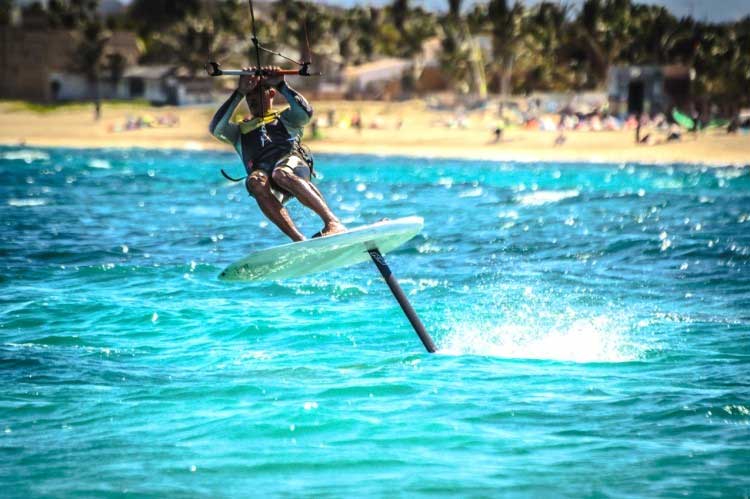
Generally overrated foiling tacks and jibes can become hard to master without the right tips.

Approaching these maneuvers at the right time is crucial. Make sure you can safely ride your hydrofoil without falling both upwind and downwind before even considering trying to learn these maneuvers.

In the columns below I have selected the key steps and the most effective tips to help you succeed. Make sure you are 80% with your tacks before attempt to jibe. Good luck !

simonevannucciASV

Foiling Tack

Ideal conditions: 10 to 20 kts & smooth water

Preparation: with board laying on soft sand and hydrofoil dismounted, practice switching your feet. You need to be able to find your foostraps without looking.

Tips

  1. Approach the tack from about cross wind
  2. Keep two hands on the bar the whole time
  3. Send board into the wind the internal arm like like to create room for your head to go under your armpit
  4. Switch your feet before the nose of your board crosses the wind
  5. The kite must now be right on top of you
  6. As your front foot is on the new tack dive the kite and apply pressure with your back foot to keep foil engaged

Dos and Don’ts

  • Don’t approach from tight upwind angle. Will be too hard to maintain speed
  • Don’t switch feet too late or you’ll be sent into a 360
  • Don’t lean back our you’ll do a back roll
  • If your kite is still facing the old tack when you switch your feet you’ll fall back
  • If your kite is already going new tack when  switching the feet, you’ll be pulled forward before regain your balance on new tack
foilingjibe

Foiling Jibe

Ideal conditions: 8 to 15 kts & smooth water

Preparation: Practice riding toe-side in a straight line

Tips

  1. Avoid going in the water under-powered
  2. Approach the jibe going a bit deeper then cross wind
  3. Go at slow speed
  4. Before switching your feet perform a little pump on the hydrofoil like if you had to go over a chop
  5. Make sure your bar is all the way down in search for power and the lift you need to stay up foiling
  6. Be as quick as possible to switch your front feet as the foil will tend to go down. Re-applly pressure with back foot as soon as possible to keep foiling
  7. With feet on new tack and kite above your head downloop the kite as high as possible
  8. Gently incline the foil to complete the turn
  9. Rise kite again to be able to put back foot into the strap

Dos and Don’ts

  • Don’t approach from too much downwind. You will not have enough lift from the kite
  • Don’t switch feet with inclined board
  • Don’t lean forward like in Formula’s jibes or you’ll sink the nose
  • complete the turn as quick and tight as possible to avoid your lines to go slack
  • Literally hang from the bar to have the kite take most of your weight

Watch the video below to get a visual of what explained. Bare in mind that placing your back foot in the back strap right away is not crucial to master those maneuvers. Quick feet and kite placement are super important so don’t overlook the preparation and stay focused.

Le ridicule ne tue pas ! (Silly never dies)

by adonnante.com

© SANDER VAN DER BORCH / ARTEMIS RACING

© SANDER VAN DER BORCH / ARTEMIS RACING

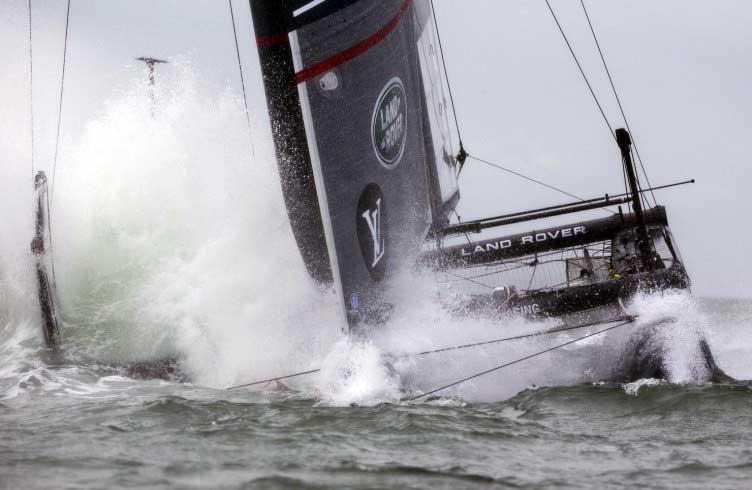
Alors que l’America’s Cup fait un grand pas en avant en France avec l’arrivée d’un nouveau sponsor pour l’équipe de Franck Cammas et l’accueil des AC World Series à Toulon en septembre prochain, la réalité est toute autre.

Demain s’entretient aujourd’hui !
Signer un nouveau sponsor est toujours un événement important dans l’histoire d’une équipe sportive, surtout quand il s’agit de l’America’s Cup. Bon an mal an la France réussit aléatoirement à participer au plus vieux Trophée sportif du Monde. Avec une aide financière de 1,5 million par an, l’apport de Norauto peut faire sourire quand on sait que cela ne couvrirait même pas la seule ligne salariale d’ORACLE Team USA alors que Russell Coutts est annoncé à plus de 45 000 € par mois et qu’un simple grinder américain gagnait mensuellement 25 000 € lors de la précédente édition… Seul point positif pour les Français est cette vision à long terme – cinq ans de partenariat – qui permet d’être plus réactif pour la 36e édition de la Coupe.

Toulon, Toulon, deux minutes d’arrêt
À 2 millions d’Euros l’étape des AC World Series, peu de ports en France pouvaient se permettre se luxe d’accueillir quatre régates (sic) des éliminatoires de l’America’s Cup. Quatre régates veulent dire quatre manches, soit deux manches uniquement par jour de course. À ce prix-là, la ville de Toulon a répondu présente et a déjà lâché 500 000 € sur la table, mais pour quelle visibilité ? Alors que les AC45F seront en stand-by du côté de la Seyne-sur-Mer, le carré du port de la ville de Toulon restera désespérément vide. Seuls les adeptes de baignade et de bains de soleil sur les plages du Mourillon pourront espérer jouir d’un spectacle de haute voltige caché derrière des gradins difficilement accessibles. Et pas question de voir cela depuis la mer, le périmètre de sécurité est tel que la compréhension des matchs sera bien difficile à comprendre… Mais bon pour deux fois 15 minutes de course quotidienne (33 000 € la minute au frais du contribuable tout de même), personne ne perdra réellement son temps…
Autant dire qu’il va falloir en brûler des cierges à la cathédrale de Toulon pour prier que les conditions météo soient favorables. Un coup de Mistral ou deux jours de pétole et cet événement interplanétaire sera de la poudre aux yeux !

Une visibilité internationale
La Coupe de l’America c’est surtout cela. Une visibilité internationale vendue pour 1 milliard de téléspectateurs. Mais ce que ne disent pas les organisateurs c’est que c’est 1 milliard potentiel tous médias confondus qui ont accepté de payer les droits de retransmission. Droits qui seront accordés aussi au compte-gouttes sur Youtube qui filtrera sans ménagement les adresses IP et donc les pays autorisés à admirer ce show nautique. Et c’est sans compter une application mobile PAYANTE toujours aussi décriée et inopérante. Pas moins de 2 étoiles sur Google Play… sur un score de 5. Beau score s’il en est pour une App à 25$ à l’année ou 7$ le week-end, ce à quoi il faut rajouter 4$ par week-end pour avoir droit à voir le Live… uniquement dans les pays concernés. Français passez votre chemin !

Pour en revenir sur les 1 Milliard de spectateurs, il est bon ton de rappeler que la chaine Youtube officielle de l’America’s Cup n’a que 150 000 abonnés et que la 9e et dernière manche cruciale de la 34e America’s Cup n’est qu’à 1 million de vue depuis 2 ans et demi de mise en ligne ! Et les Replay des différentes manches peinent à passer la barre des 300 000 vues. Autant dire que le milliard de téléspectateurs est loin d’être acquis et n’est qu’un tour de magie proposé par les commerciaux de la Coupe.

Et ce n’est pas nous, pauvres Français, qui allons aider à gonfler ces chiffres. La Coupe est une nouvelle fois prise en otage par le groupe Canal + qui aura l’exclusivité des retransmissions en France. Inutile d’espérer gruger et voir les matchs sur Youtube ou sur votre mobile. Pour accéder à la Coupe il faudra payer votre abonnement Canal +, ou une bière dans un bar et espérer que le public préféra regarder la voile plutôt que le foot. L’application mobile, payante il faut le rappeler, sera une nouvelle fois inopérante alors que les directs y seront bannis faute à la main mise de la chaine cryptée sur les droits de retransmission. Pour tenter d’y voir quelque chose l’application Periscope sera très certainement salvatrice…

Pour revenir à cette visibilité internationale, que penser d’un site Internet et d’un axe de communication entièrement tournés vers l’anglais ? Sur les six équipes présentes, la moitié ne font pas partie de pays anglophones. Ne décliner le site et les communiqués de presse qu’en anglais est un renfermement sur soi-même et non une ouverture sur le monde. Difficile d’attirer le chaland dans ses conditions et de gagner des parts de marché.

La Coupe de l’America est donc clairement rentrée dans une ère de profits au service de ses investisseurs aux dépens de ses acteurs et du consommateur. La mondialisation est partout…

Original post here

HYDROFOIL KITE CLINIC BY ASV IN CAGLIARI, SARDINIA, ITALY

by ASV

simonevannucciASV

LET’S CELEBRATE THE BEGINNING OF A NEW SEASON
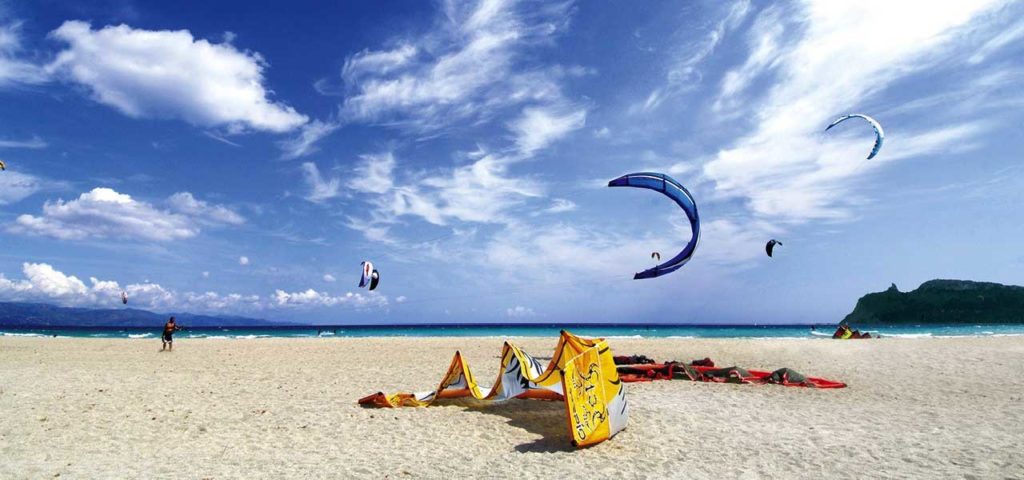
The cold winter is coming to an end and it’s time to hit the water, train with others and get ourselves and our equipment dialed in. Cagliari is a great location, easy to reach and well known for hosting important kite racing events. So we’ve decided to join local Sardinian racers for a long weekend of training & racing to celebrate the beginning of spring!
Join us 18-19-20th of MARCH for three days of racing.

We’ll join the Sardinian and Italian hydrofoil fleet for some fun racing! Several practice races will be held on Friday and official races will take place Saturday and Sunday. Three days on a professionally placed course will be a great way to remove all the winter rust.

ASV WORKSHOPS
We won’t just race, we’ll help you tune your gear to its best potential and we’ll have two useful workshops. A Saturday workshop will cover Riding Technique & Tuning, and for Sunday, Training & Fitness for kite racing.

poetto

CAGLIARI – POETTO
It’s possible to fly to Cagliari starting from 19€ from London, Paris, Geneva, Nice, Basilea, Berlin, Frankfurt, Barcelona and other European cities with Ryanair ,Vuelig, EasyJet. We recommend staying in the Nautilus Hotel because of its location which is right on the water and prices start at 35€ per person per night. Other options can be searched for on Booking.com.
Weather wise Cagliari should see air temps around 20 degrees and water temps around 17 degrees.

REGISTER NOW

ça foil en Bretagne!

by Bretagne Development Innovation.

Windsurf, Kite, Catamaran, Imoca, Moth sont maintenant montés sur foil et décollent de l’eau pour plus de vitesse et de nouvelles sensations. Les compétences bretonnes en nautisme de compétition et en matériaux sont bien entendus aux avant-postes pour proposer des produits au top de cette nouvelle forme de glisse.

Bretagne Development Innovation, BDI est née de la volonté de se doter d’un processus d’impulsion et de coordination des changements à opérer pour développer l’économie régionale et accroître l’attractivité du territoire.

Foiling weapon for the 2024 Olympic Games

by surfertoday.

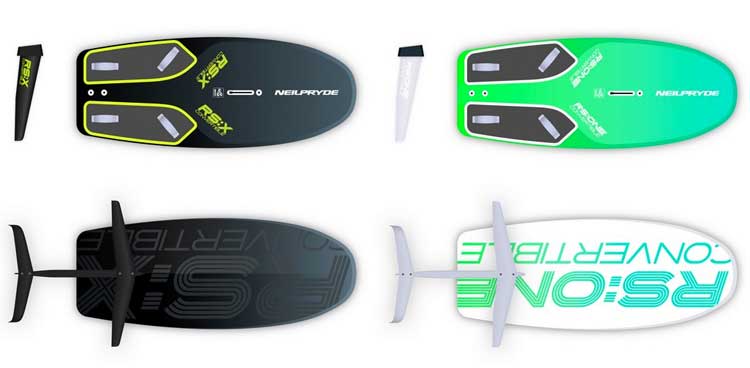
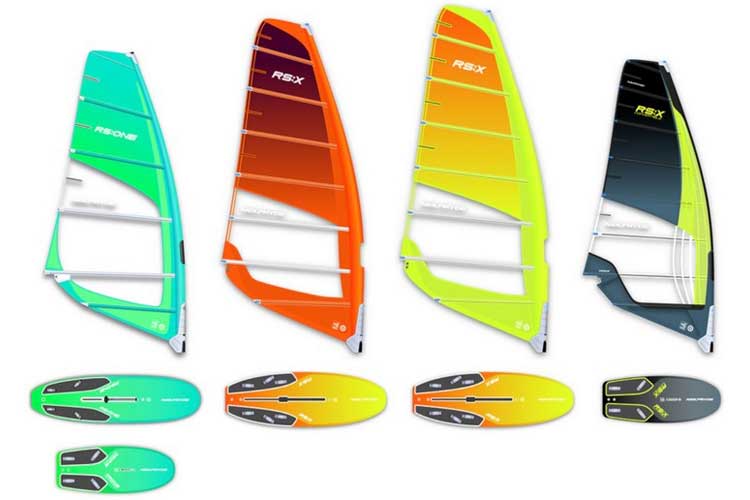
NeilPryde is playing its trump card for the 2024 Summer Olympics. And the weapon of choice is a small 120-liter windsurfing board with a hydrofoil. It’s called RS:X Convertible.

neilpriders1foil

In the early months of 2012, the future of Olympic windsurfing looked doomed, and kiteboarding was gaining ground. Richard Branson lobbied vigorously for kites, and the governing body for the sport of sailing even voted for the inclusion of the sport in Rio 2016.

Fortunately for the windsurfing community, the decision was reverted. Four years later, NeilPryde decides to play it safe and unveiled a spectacular new RS:X experimental model for 2024 – that’s eight years before the event – at the 2016 World Windsurfing Championships, held in Eilat, Israel.

The host of the 2024 Olympic Games is still unknown. Budapest, Paris, Los Angeles and Rome are the candidate cities and, therefore, the official list of sports has not yet been announced.

But NeilPryde’s foil windsurfing kit is a tactical maneuver. The brand wants to make sure the sport keeps its Olympic status, so time and momentum are its strongest allies. The new RS:X Olympic weapon will also be available in the RS:One version.

neilpriders1foil2

Full article here

“Safety is only an excuse”

by International A-Division Catamaran Association.

flyingaclass

A-CAT WORLDS 2015 – CATSAILINGNEWS.COM

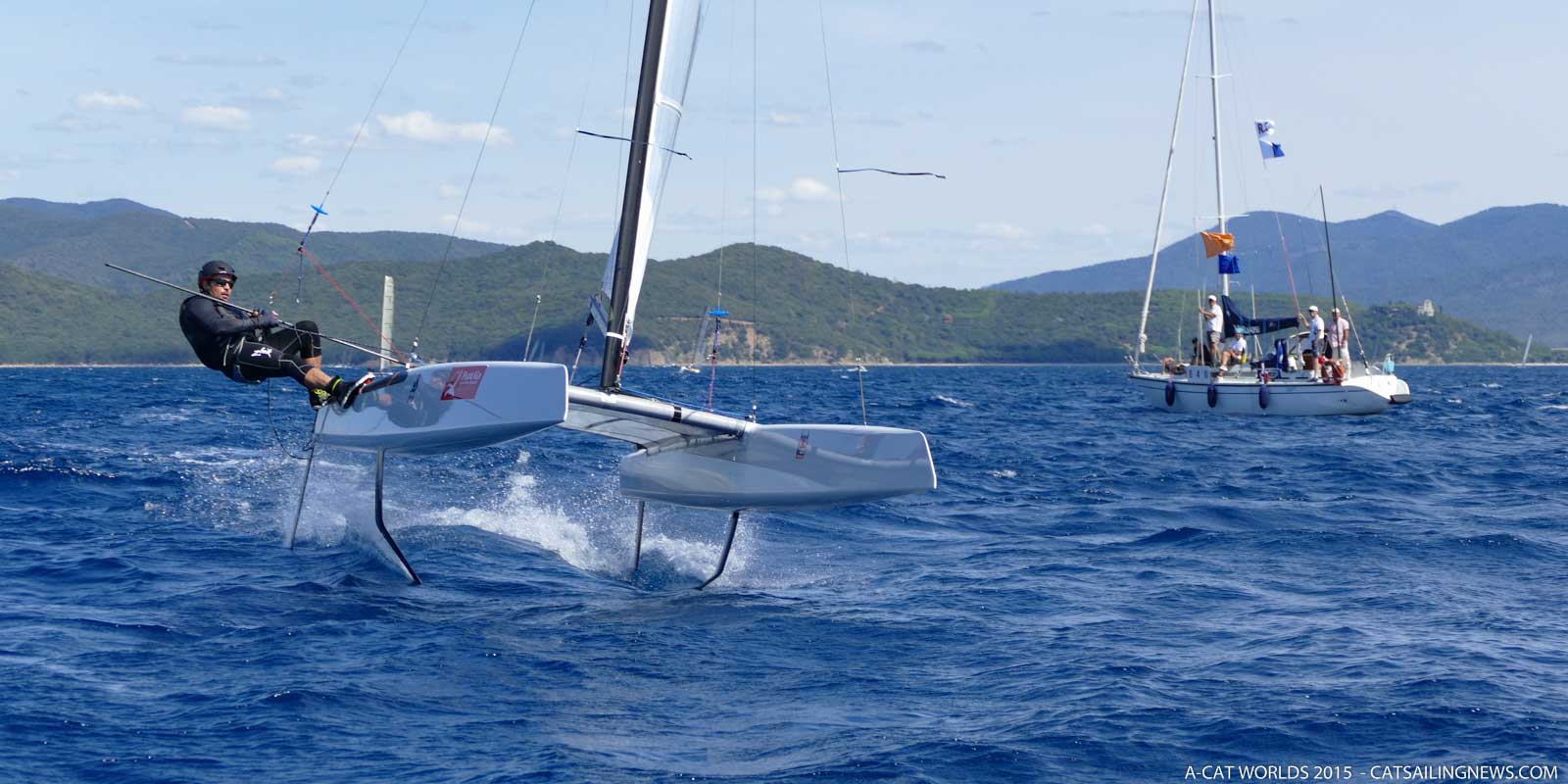
On February 18, in an meeting with the Vice -President of the French national sailing regulator, the FFV, Jean-Pierre Churet, French A Class Association President  Thierry Boisbouvier and Vice President Jacques Piallat  said that the FFV conceders the A-Class to be a flying boat and as such, two possibilities were offered to them:

  1. To separate the flying (Open) and non-flying (Classic) on different courses;
  2. To limit the number of boats (flying and non-flying together) starting together in one race to about 25, and thus to have several fleets if there are more than 25 entered.

Whether if either of these rules are to be applied, this could well lead to the cancelling of French National Championship in 2016 at Quiberon on the grounds of safety.

What is at stake?

Safety is only an excuse.  The real reason is that, in the case of accident, the FFV is afraid of ending up in court being accused of having run boats that are supposedly incompatible with each other, regardless of the fact that they all measure as ‘A’ Class Catamarans legally within the World Sailing affiliated international association (IACA).

Faced with this dogmatic position, no rational argument based on reality or facts seems admissible.

What to do ?

Five major options are available to the AFCCA.

1. Proposed “consensus” of the FFV

For larger gatherings 20-25 mixing vessels of both ‘Flying’ and ‘Classic’, the FFV offers to cut the fleet in as many packets of 20-25 boats as necessary and provide starts on the same course every 10mins. After each race, the fleet is remixed for everyone to race all their competitors. In the end, it comes back to the double classification.

This solution seems complicated to implement, will pose problems for validating championships in the difficult and variable weather, multiply the potential ‘dangerous’ crossovers on the course and take away a lot of sporting interest at large gatherings.

However, it is viable for regional regattas and TTs that rarely exceed 25 ‘A’ Class boats.

2.  Separate Open and Classic Fleets

Bowing to the diktats of FFV to save the Nationals only for 2016 and a separation is imposed between Open and Classic, with separate starts and separate results.

But remembering that any final changes such as this cannot be made that the AG and AFCCA, who by definition, must follow the rules of the IACA.

3. Hold it abroad.

In 2016, as a result of the intransigence of the FFV, the AFCCA organizes a foreign based National Championships, possibly by joining in with a regatta already organised. This will give them a year to find a solution.

4. Cancellation the 2016 Nationals.

The AFCCA simply cancel the 2016 nationals at Quiberon and still waiting to find a solution.

This can only be done in agreement with the club that has done them the honor of agreeing to host the event and suffer possible penalties in doing so.

5. Conduct a legal and media battle with the FFV.

Thierri has consulted an attorney who looked into an account of the light of the facts of reality, accidents between ‘A’ class boats, considering international practices, and it appears that the safety argument is devoid of any serious grounds.

This leaves them with Media actions and possible other remedies provided that members of the AFCCA would want this.

The survival of the class, as we know it, is at stake and its fate seems sealed already’ says an exasperated Boisbouvier. ‘If the survival of the class is not really in question, this development of the championships could be broken by the FFV, depriving France of international sailors. Then France becomes a terra non grata for foreigners. We cannot expect the 2016 Nationals at Quiberon to decide.

The AFCCA wants a vote (reserved for it’s members in 2015 or 2016) with a suggestion to 3 choices for each item:
Yes (I fully endorse this proposal)
No (I totally refuse this proposal)
Acceptable (to break the deadlock, I am prepared to accept)

This piece has been translated and edited from the AFCCA Website http://www.afcca.org

These guys need our support.

One Metre foiling trimaran ready for production

by PerthMini40man

[youtube=https://www.youtube.com/watch?v=nzTf9pedWdE]

Much better sail today. The V foils have been thrown out and cases and kinked foils have been fitted, with the cases outboard of the centerline of the floats to get extra stability. The hulls are fiberglass, the cross beams are hollow laminated carbon, the kinked foils are a combination of carbon and fibreglass and are made in a mould. The rudder is an RG65 fin supplied by Dave Creed, who also supplies the T foil. There’s an rmg winch in the hull, and sails are by Heinz Bohn and Jeff Green, who has made a nice pocket luff #2 rig. The rig has a proportionately larger jib than is conventional, to keep the centre of effort lower, and push the centre of effort as far forward as possible to permit us to move the foils as far forward as possible, whilst still enabling the boat to tack. The final section of the video shows us trying to improve the foiling performance upwind, by flattening the mainsail and adding twist, so that the boat is sailing upwind on the jib and the bottom section of the main. We’ll continue to experiment. We’re happy with the boat now – it is foiling steadily and not falling off the foils, an is producing speeds that look close to those coming from our Mini40s. The lake is 100 metres in diameter which gives you an idea of the stability of the boat when foiling. The boat will foil with hands-off the controls, which impresses us. There was also no sign of nose-diving. The boat is one-piece and fits inside an estate car easily. As an alternative, the floats could be attached to the cross beams with bolts (reducing the overall beam of the boat when in transport to about 97cm) but the cross beams should be permanently bonded to the main hull to keep the three hulls aligned.

World on Water Feb. 21th 2016 by Boats on TV

by boatson.tv

[youtube=https://www.youtube.com/watch?v=FJNHqmoje9o&t=7m22s]

In this week’s Wow a crashing time in Race 1 of the 18 Footers JJ Giltinan Championships, the Pittwater RPAYC MC 38 Championships, all types of boats are in the Foiling Week races in Europe, the 49er FX & Nacra Worlds, Days 1 & 2 of the Rolex Farr 40 Worlds in Sydney,18 Footer JJ Giltinan Championship race 1,Rolex farr 40 Worlds, it’s Tech Tuesday for the Americas Cup and a preview of the Louis Vuitton AC 45’s regatta in Oman next week.
BIG is the word for this week in sailing.